 $4.99
$4.99Inputs Converge To One Motion Clip
Turn three content sources into one clear editorial outcome in a short, editable b-roll animation. Designed for publishing recaps, educational explainers, and series transitions.
A minimalist wide b-roll animation that turns a parts-to-whole idea into a crisp editorial equation. It is designed for educational publishing, social explainers, and recurring content series where clear timing, consistent typography, and editable output matter.
No external services or generation models. Renders locally.
/sl-parts-to-whole-equation-motion-clip Create an 8-second 16:9 educational video for Learning Notes, opening with “Parts become a whole” and closing with “Research + Practice = Progress.” Show Research + Practice in the middle, then explain how two inputs create a repeatable habit and the whole appears after the parts settle; include NOTES 03. Use a saturated green canvas and white humanist typography.
Verified
| render-check | pass | 5.0 / 5 | 50s |
Yes. The composition supports two to four named parts, but three parts is the practical upper limit for a wide clip that remains airy and immediately readable.
Yes. Grid positions, type settings, palette tokens, scene timings, and metadata placement are kept consistent so only the equation content needs to change.
No. The agent builds an HTML/CSS composition and renders the motion clip locally, making the output deterministic and editable.
$4.99Turn three content sources into one clear editorial outcome in a short, editable b-roll animation. Designed for publishing recaps, educational explainers, and series transitions.
 $4.99
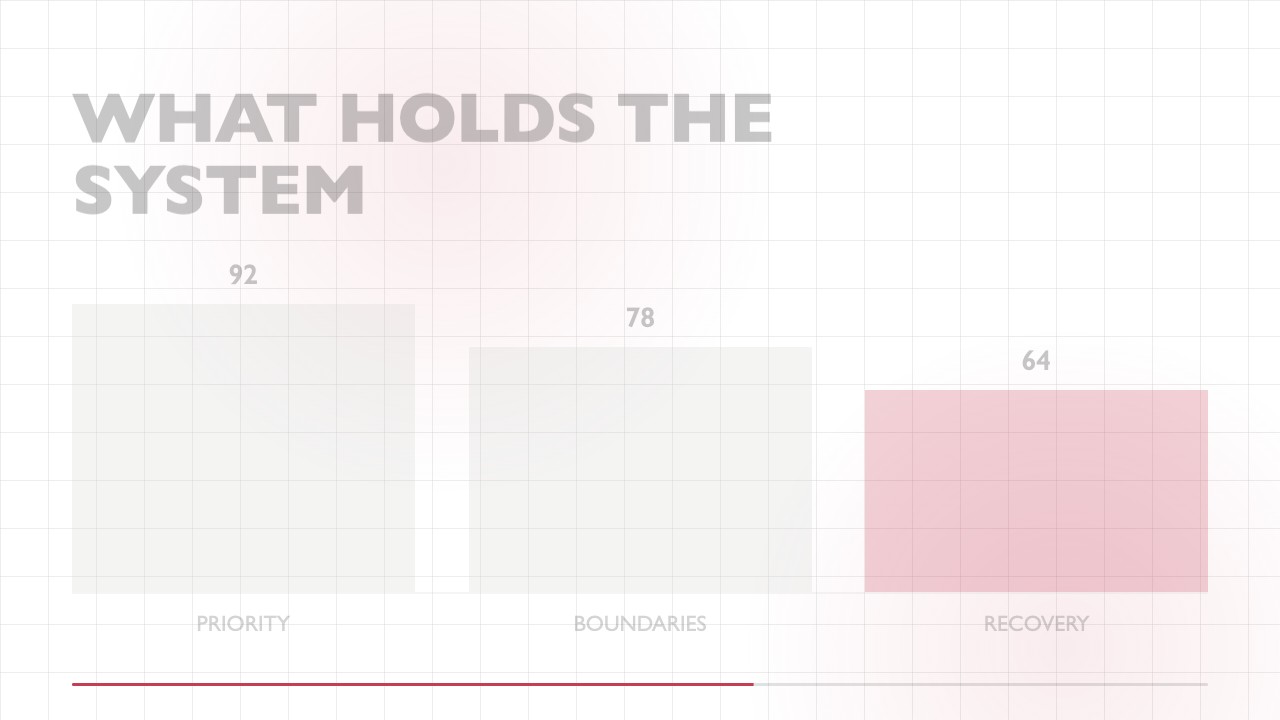
$4.99A focused editorial b-roll animation that gathers a small set of keywords into a clear, high-contrast conclusion. It uses a sparse grid, humanist typography, restrained motion, and one accent color for educational posts, social explainers, and recurring content series.
 $4.99
$4.99A wide editorial b-roll clip that makes a two-result comparison easy to scan, then swaps emphasis to reveal the stronger outcome with precise, reusable motion.
 $4.99
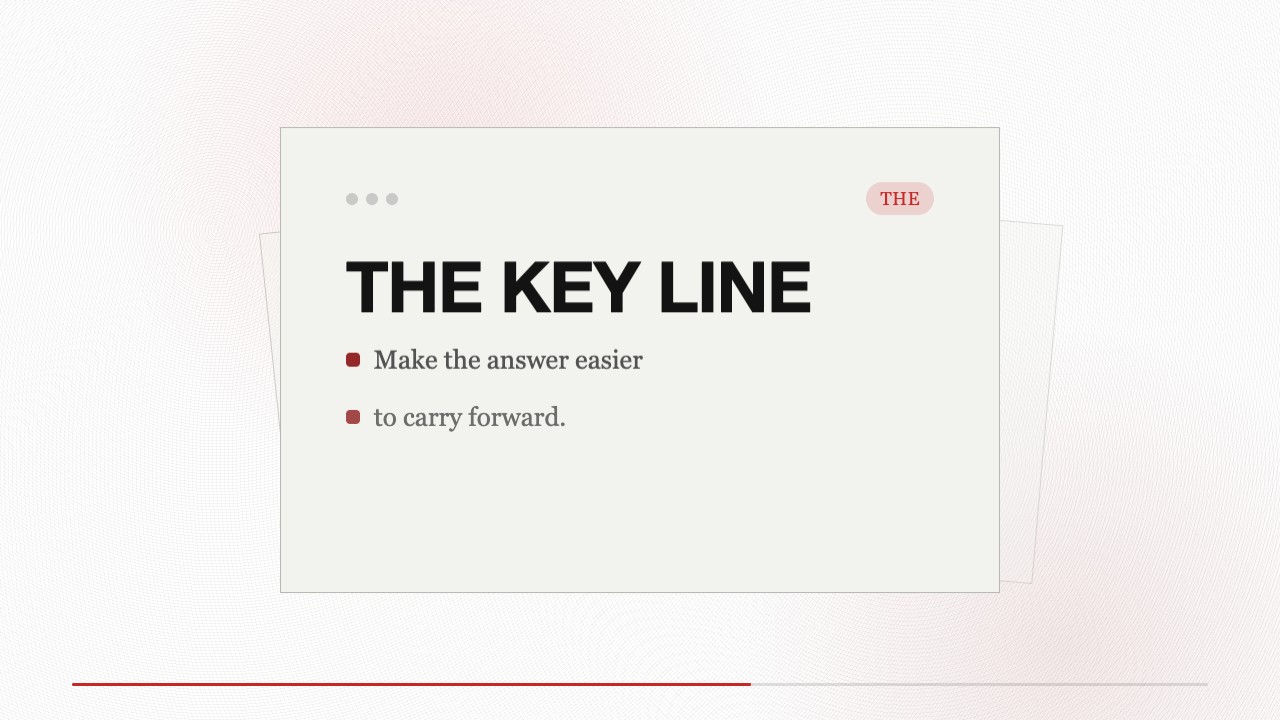
$4.99Turn one audience question into a crisp, typographic response clip for educational posts and short-form publishing. The editable composition reveals an answer line by line on a minimal white canvas.
 $4.99
$4.99A focused wide b-roll animation for turning one response or teaching point into a polished editorial moment. It uses restrained type movement, a single accent, and a reusable end frame so social creators can publish consistent series content quickly.
 $4.99
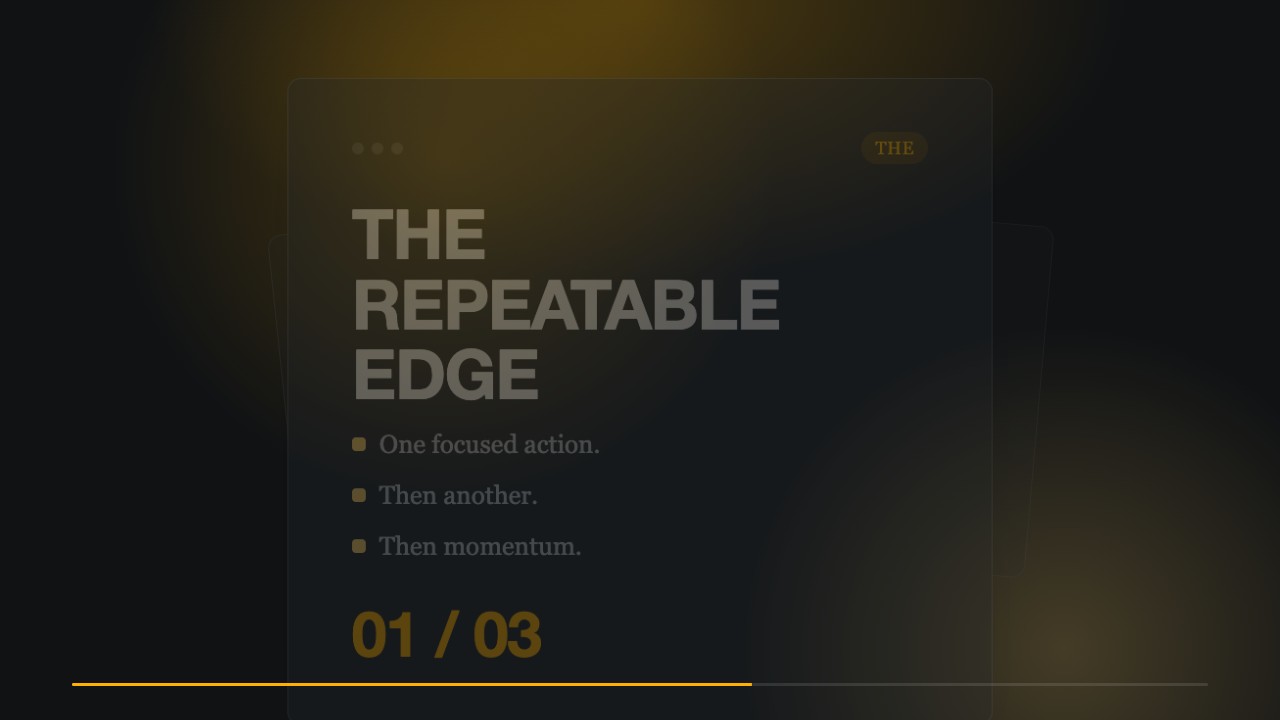
$4.99A restrained editorial motion clip for turning one clear idea into a memorable publishing beat. Dark space, heavy grotesk type, and a single amber glow create a premium, series-consistent b-roll moment.
 $4.99
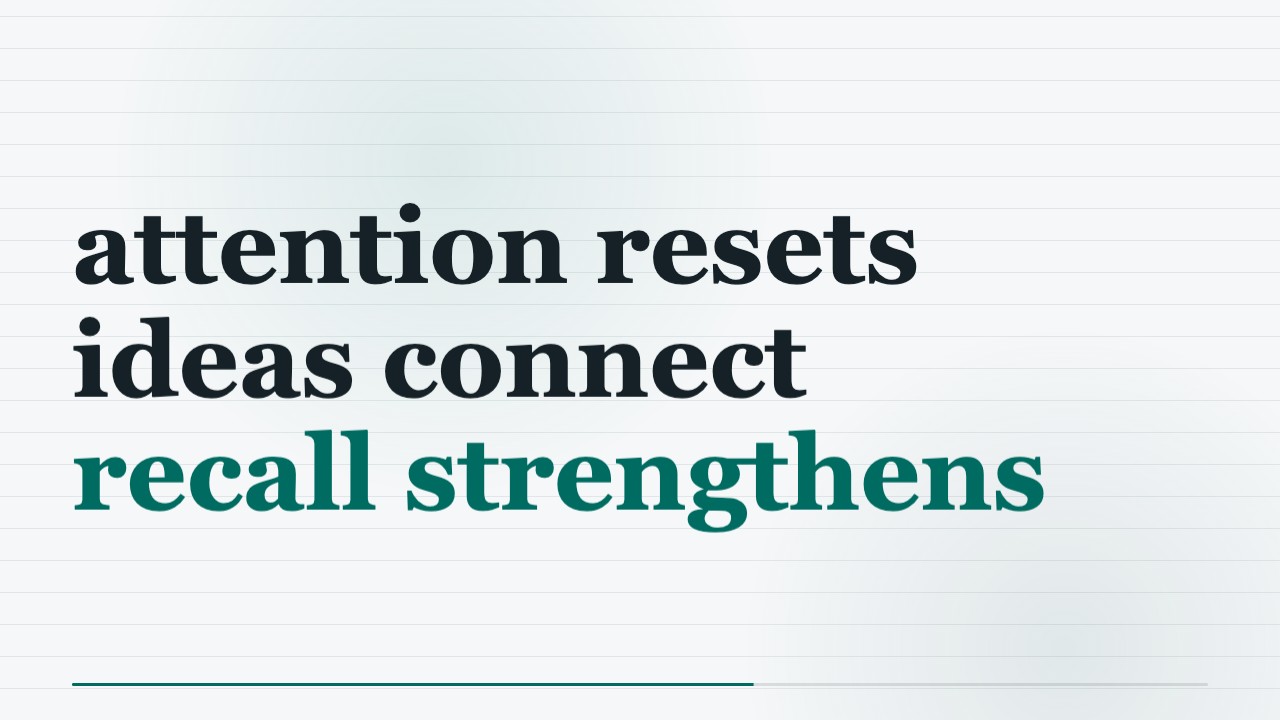
$4.99Make a concise educational b-roll clip in a minimalist editorial style, using aligned columns, fine rules, and precise annotations. The locally rendered MP4 and editable HTML/CSS keep the motion polished and easy to adapt for a publishing series.
 $4.99
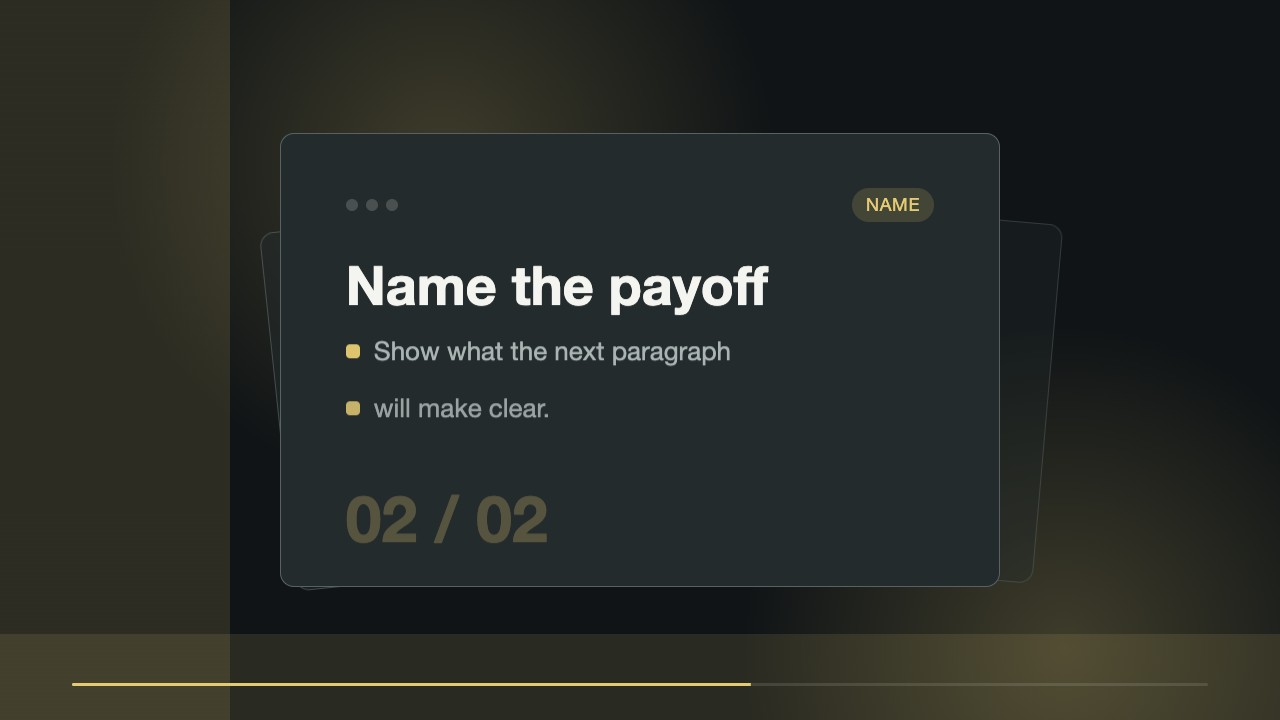
$4.99A short editorial b-roll clip that reveals a focused annotation from a fixed typographic anchor. Built for creators who need a repeatable visual cue for teaching points, with editable source files and a locally rendered MP4.