VideoFree Verified

Liquid-Rupture Logo Reveal Story Film

A cinematic social brand film that turns a fictional logo reveal into a short narrative: tension gathers in liquid colour fields, the system finds form, one rupture exposes the identity, and the final lockup lands with editorial restraint.

What you get

  • A 20–45 second wide narrative video with six to ten orchestrated scenes
  • Warm paper composition with glass-fringe refraction and metaball-style colour merging
  • A single controlled rupture that reveals the final fictional identity lockup
  • Offline-safe HTML/CSS animation rendered to a local MP4
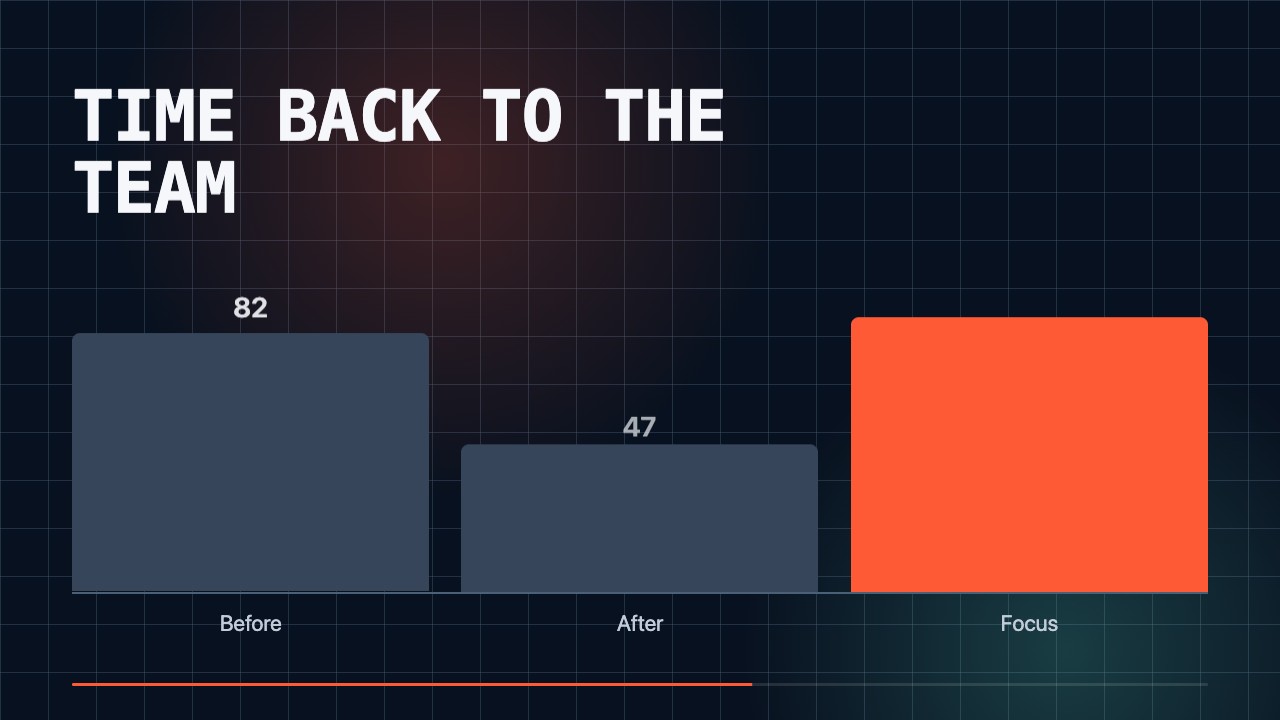
  • A proof beat and end card designed for social-feed readability

Good fit

  • Brand launches that need a distinctive identity moment
  • Art-direction tests for social campaigns and motion systems
  • Fictional product concepts requiring a polished reveal film

Not for

  • Detailed software tutorials or feature-heavy product explainers
  • Exact reproduction or animation of an existing trademarked logo

What you provide

  • Fictional brand name and exact lockup text
  • Short campaign promise or positioning line
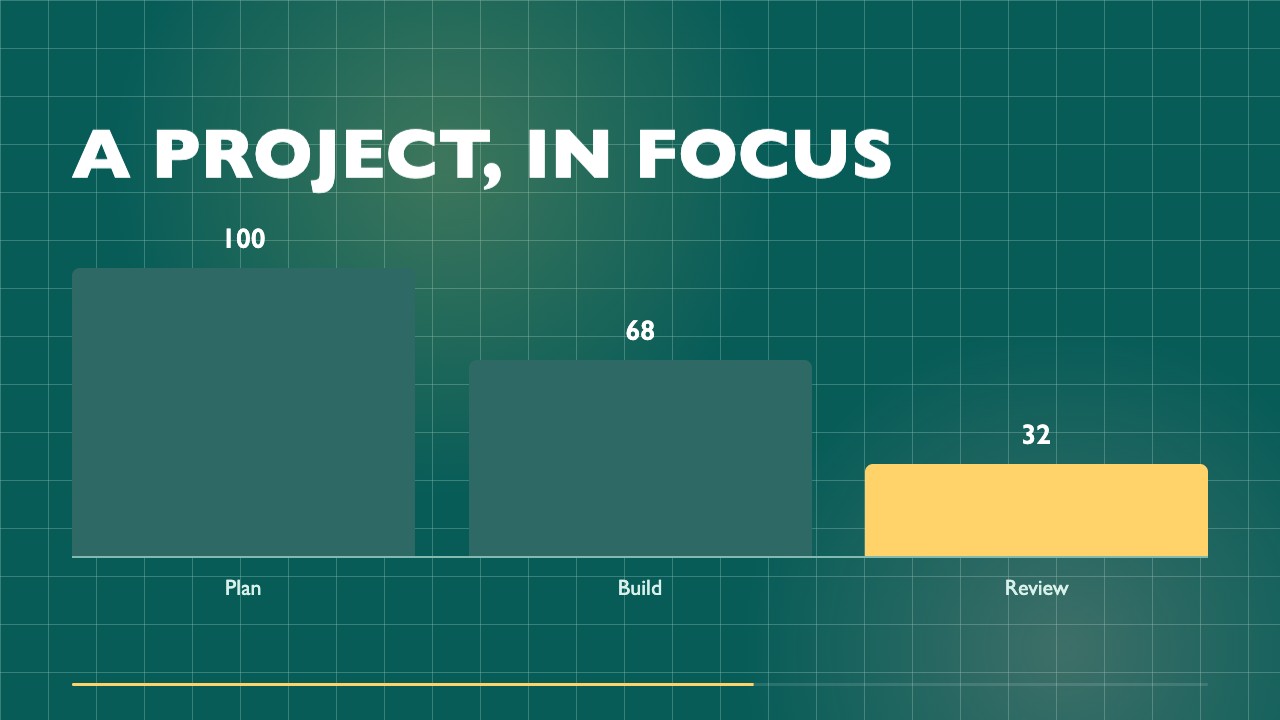
  • Optional proof point, metric, or launch message

Requirements

  • Node.js 20+
  • FFmpeg
  • Chromium (npx playwright install chromium)

Running cost

No external services or generation models. Renders locally.

Try this prompt

/sl-liquid-rupture-logo-reveal-story-film Create a 29-second 16:9 social film for fictional brand Rillform. Open with “Before the signal” and “Every identity starts as a pressure in the field.” Move through separation and tension, a system finding shape, rising clarity, a launch-note quote, and gather-to-resolve beats. Close with “Shape finds signal.” Use a restrained paper-rupture style.

Follow-up prompts

  • Make the rupture slower and more sculptural while keeping the final lockup on screen for four seconds.
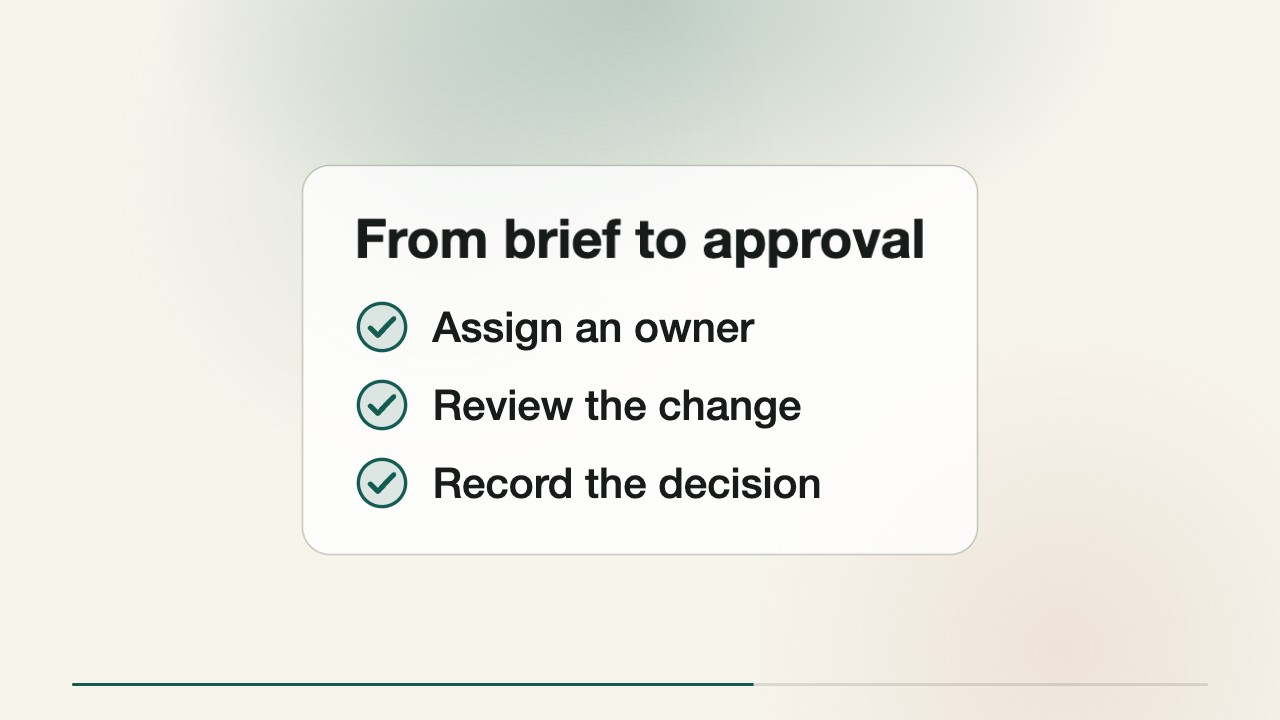
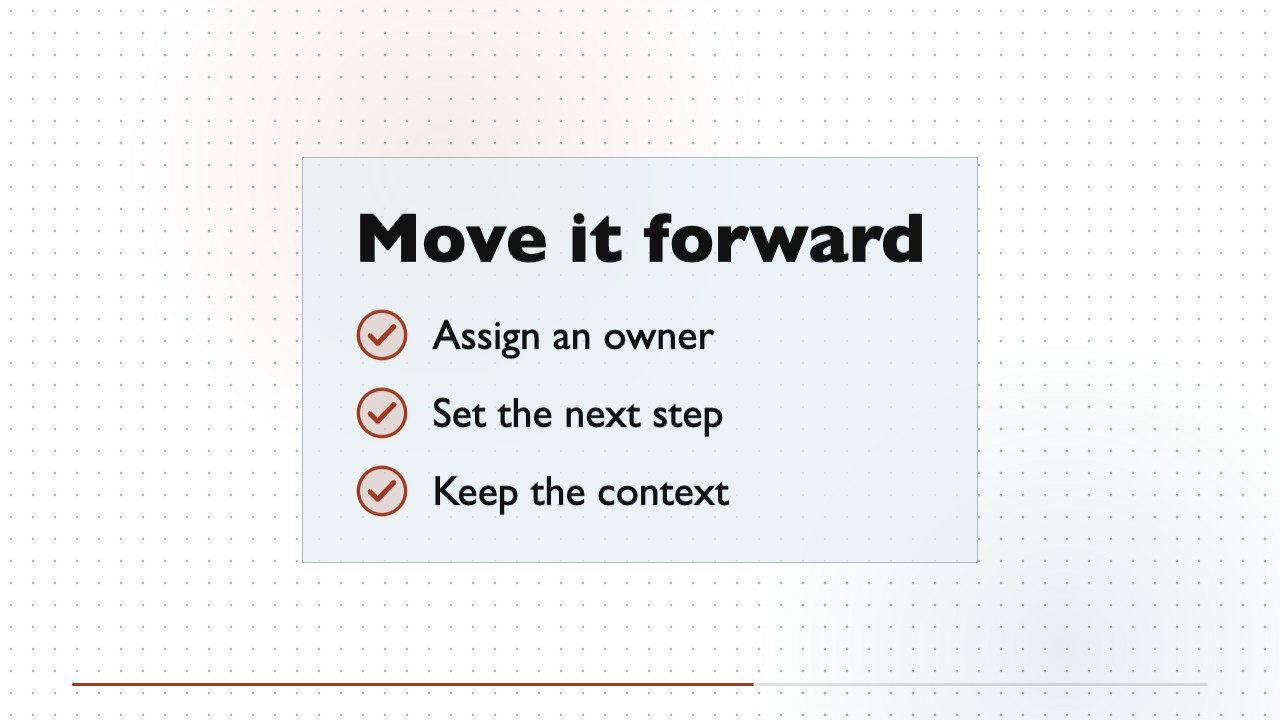
  • Replace the proof beat with a compact three-step checklist for a launch campaign.
  • Create a calmer version with less blur, more visible paper grain, and a smaller wordmark.

Verification

Verified

render-checkpass4.0 / 595s

FAQ

Can I use an existing logo file?

Use the skill for a fictional or rights-cleared identity lockup supplied as text or simple shape guidance. It does not trace, modify, or reproduce trademarked logo artwork.

How is the liquid effect created?

The renderer builds it locally with layered HTML/CSS shapes, gradients, blur, border highlights, transforms, and timed easing. No image or video generation model is required.

Can the rupture happen more than once?

The signature direction is strongest with one decisive rupture. Additional small transitions are acceptable, but they should not read as separate impact events.

SKILL.md

SKILL.md

Liquid-Rupture Logo Reveal Story Film

A narrative logo-reveal film where unstable colour fields converge, rupture once, and resolve into a crisp identity lockup.

Style: Paper Rupture. Warm editorial calm builds into a precise, tactile burst of refracted colour and resolved identity. Follow references/style-guide.md exactly.

Use this skill when

  • Brand launches that need a distinctive identity moment
  • Art-direction tests for social campaigns and motion systems
  • Fictional product concepts requiring a polished reveal film

Do not use

  • Literal product demos, UI walkthroughs, or multi-feature explainers with several competing visual events.
  • Projects that require a supplied vector logo to be traced, modified, or reproduced with exact geometry.
  • To reproduce another company's brand, logo, product UI or copyrighted characters.

Inputs

  • Fictional brand or product name and exact logo lockup text
  • Campaign promise or short positioning line
  • Preferred accent colour, if it must replace the burgundy default
  • Target social aspect crop and approximate runtime
  • Optional proof point or launch message for the middle scenes

If something essential is missing, ask one short question before starting. Never invent facts, numbers, quotes or customer names; mark gaps as [needs source].

Workflow

  1. Read references/motion-contract.md and references/style-guide.md. Their rules are fixed for this skill.
  2. Fill references/scene-map.md from the brief (4-8 scenes, 20-45 s). Never invent product numbers, names or quotes; ask for anything required that is missing.
  3. Copy references/composition.html to film/composition.html. Keep the stage, the ambient layer, the progress line and the fit script.
  4. Delete the example scenes you do not use, set each scene's text, data-start, data-duration and the absolute animation-delay values, and set <html data-duration> to the sum of scene durations.
  5. Apply the style tokens in the :root block exactly as given in the style guide. Do not add colors or webfonts.
  6. Open film/composition.html in a browser to preview; it plays in real time. Reload to replay.
  7. Render: node scripts/render.mjs film/composition.html --out film.mp4 --fps 30 (install once: npm i -D playwright-core && npx playwright install chromium; FFmpeg must be on PATH).
  8. Run the validator below and fix every problem it reports.
  9. Extract stills around each cut (ffmpeg -ss <t> -i film.mp4 -frames:v 1 cut.png) and check that nothing is cropped, overlapping or frozen.
  10. Run the validator and fix every problem it reports:

``bash node scripts/validate-video.mjs film.mp4 --min-seconds 20 --max-seconds 45 ``

What makes this excellent

  • Open with a quiet paper field and a small unresolved colour seam so the viewer understands that the film is about tension before identity.
  • Treat the problem scene as visual instability: separated translucent blobs, clipped type, and near-misses should precede any clean logo treatment.
  • Make the product moment a sequence of controlled merges, using CSS gradients, border highlights, blur, and pseudo-element refraction rather than generated imagery.
  • Stage the rupture exactly once near the final third; freeze the merged shape for a beat before cutting to the readable identity lockup.
  • Use the proof scene to show repeatable clarity through a compact metric, checklist, or device-like application context without introducing another visual motif.
  • End with a quiet, high-contrast logo card on the same paper ground, preserving the final mark long enough for a social viewer to read it.

Output contract

  • film.mp4: H.264, 30 fps, 1280x720, 20-45 seconds.
  • film/composition.html: the editable single-file composition that produced it (re-render any time with scripts/render.mjs).
  • A hand-off note: the filled scene map, total duration, anything left as a placeholder, and the validator output.
  • Render a wide MP4 locally from the HTML/CSS composition with six to ten scenes and a total runtime between 20 and 45 seconds.
  • Keep all visual effects deterministic and offline-safe; use CSS gradients, transforms, filters, and layered DOM shapes instead of generation models.
  • The last scene must be a legible end card with the fictional brand name and a concise campaign line.
  • Preserve the single-event rupture as the only major impact beat in the edit.

Reference demo and agent run

The preview is a reference render of the bundled composition with sample copy. In a real run the agent rewrites the scenes from the user's brief and assets, re-times the composition and renders a fresh MP4 that meets the output contract above.

Failure rules

  • Never hand over a render that fails the validator.
  • If the user's screenshots are low resolution, rebuild the surface in HTML instead of upscaling them.
  • Music and footage must be supplied and licensed by the user; never download assets.

Similar skills